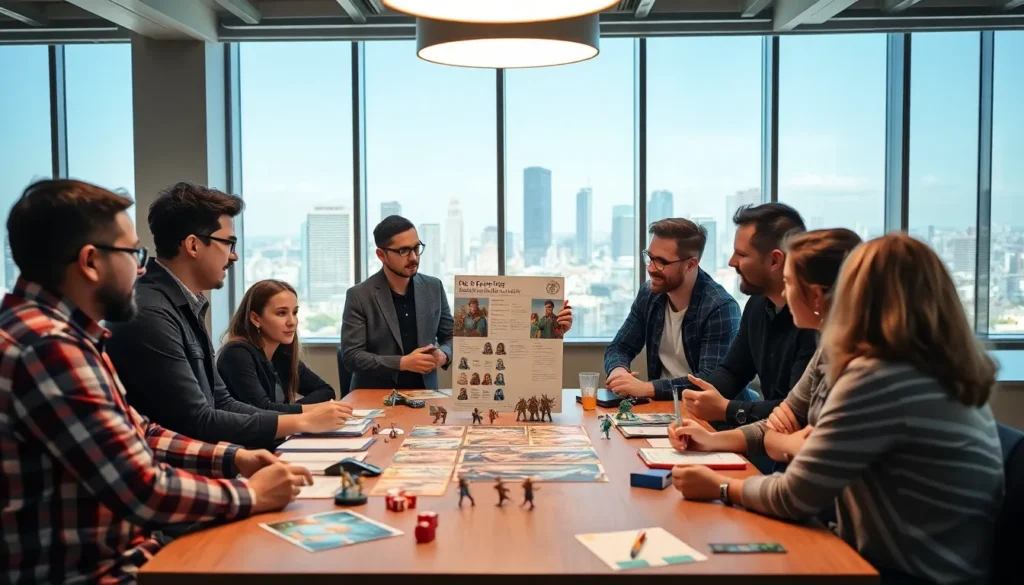
In the vast universe of gaming, where creativity knows no bounds, one term frequently makes its way into heated debates: power gaming. But what is it exactly? Picture this: a player who bends the rules, often unintentionally, to gain undue advantages. They leap over challenges, rain on the parade of collaborative storytelling, and sometimes leave others feeling a bit “meh” about their gaming experience. While the idea might conjure up visions of conquering fantasy realms with ease, power gaming can often add more drama than it solves. So buckle up. We’re diving into the nuances of power gaming and exploring why it’s crucial to recognize it in our gaming escapades.
Understanding Power Gaming in Gaming Communities
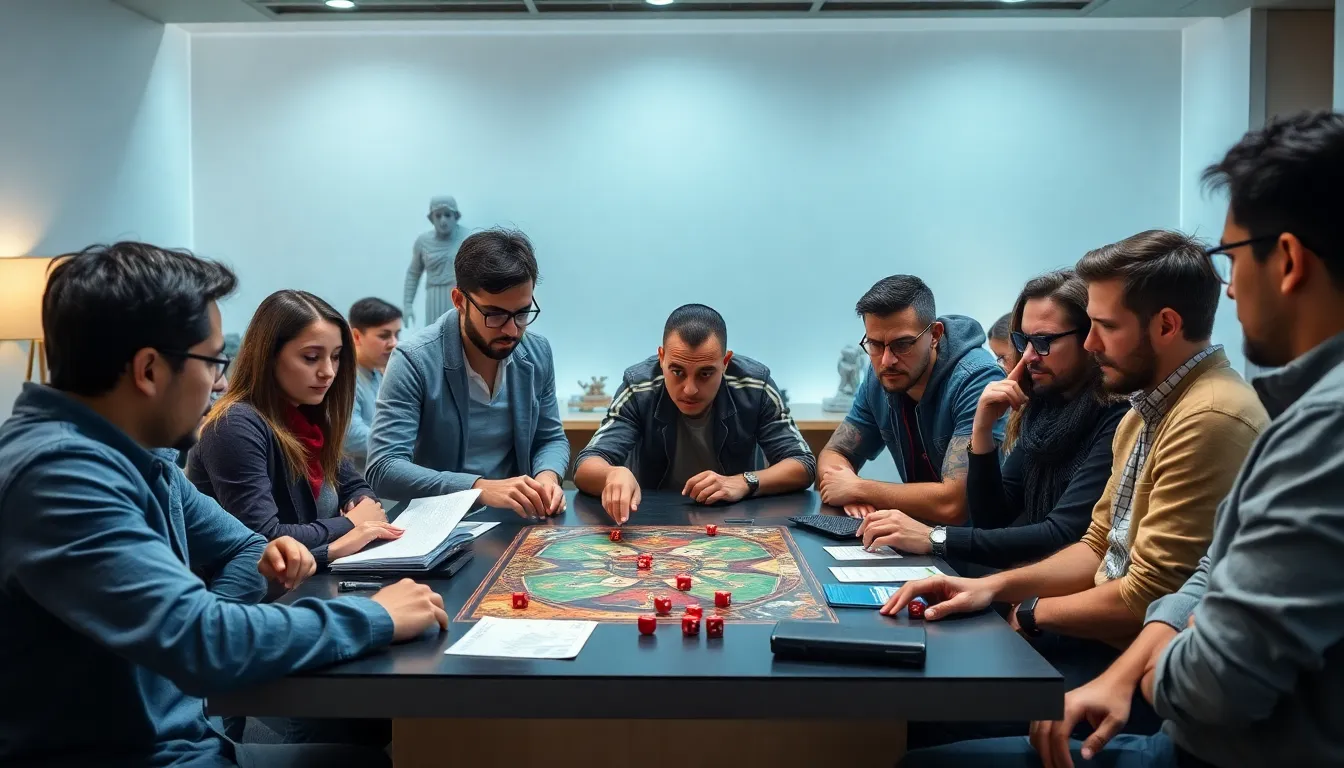
Power gaming often emerges in various gaming landscapes: from tabletop RPGs to expansive multiplayer online worlds. At its core, this term describes players who exploit game mechanics to achieve victory regardless of the harm it inflicts on others’ enjoyment. Imagine a Dungeons & Dragons session where one player consistently trumps challenges, disregarding others’ input and experiences. This player might not be aware of how the mechanics are dancing to their tune, but for everyone else at the table, the game transforms into a monotonous exercise in futility. Understanding power gaming isn’t merely labeling a behavior: it’s about recognizing how it affects the social fabric of gaming communities, where collaboration can quickly turn into competition.
Characteristics of Power Gaming
Power gaming presents itself through various trademark behaviors, each leaving players wary. One hallmark is the excessive focus on optimization. For instance, a player may meticulously build their character to the point where they seem invincible, no enemy too strong, no challenge too daunting. Another sign is the tendency to overshadow other players. When one person takes center stage too often, it can lead to frustration for those hoping for a shared narrative. Also, power gamers often ignore the game’s story, focusing solely on winning instead of engaging with the world. They might blurt out stats or skills at every opportunity, drowning out the storyline. At the end of the day, it’s essential to identify these characteristics not to vilify players, but to foster a gaming environment that values everyone’s contributions.
The Impact of Power Gaming on Gameplay Experience
The ripple effects of power gaming can be far-reaching. Promoting a sense of imbalance, it can sap the joy out of gaming for others. When one player dominates every session, the rest feel sidelined, like mere spectators in what should be a thrilling adventure. The group dynamics shift, leading to tension and, in worst-case scenarios, to players disengaging entirely. This sense of exclusion can stifle creativity, as those who may want to explore the game’s depths feel discouraged. Eventually, power gaming not only impacts individual experiences but also shapes group dynamics, emphasizing the need for open conversations about respect and collaboration.
Power Gaming vs. Role Playing: Key Differences
Understanding the distinction between power gaming and role playing is crucial for a well-balanced gaming experience. On one hand, power gaming focuses on optimizing gameplay for personal gain, neglecting the narrative and emotional aspects of the game. Conversely, role playing thrives on character development and storytelling, inviting players to immerse themselves in the game world. Let’s take a classic RPG scenario. A power gamer might slay a dragon just to rack up points, while a role player would seek to understand the dragon’s origins, possibly exploring themes of tragedy or redemption. Also, where power gamers are often competitive, role players emphasize cooperation. This difference underlines why a balance between both approaches can lead to a richer, more enjoyable gaming experience.
How to Address Power Gaming in Your Game
Navigating the challenges of power gaming requires both tact and understanding. The first step involves open dialogue. Players should feel comfortable discussing their experiences and frustrations, after all, communication can heal rifts. Also, implementing house rules can help level the playing field, providing guidelines that everyone agrees upon. These might include limiting character optimization or establishing rules for cooperative storytelling. Also, game masters (GMs) can actively guide sessions to encourage collaboration. This might mean crafting scenarios that force players to work together or creating obstacles that require diverse skill sets to overcome. Eventually, the goal isn’t to banish power gamers but to cultivate a space where everyone can enjoy the journey.